
Long-Distance Country Dating in Plain English
Rural America is spread thin - sometimes hundreds of miles between towns - so most serious farmer couples start long-distance and stay that way for months. It works when you plan around the agricultural calendar, talk by phone first and video second, and visit deliberately instead of desperately.
- Phone first, video second, text last - the opposite of city dating, and it works better for farm schedules.
- Plan visits around the calendar - November through February is courting season for most row-crop and cattle operations.
- Say it out loud early - who will eventually move, and to whose operation? Vague assumptions kill long-distance country romance.
- Long-distance is the norm, not a red flag - real couples drive five and six hours for first dates every week.
Why Your Nearest Match Might Be Three States Away
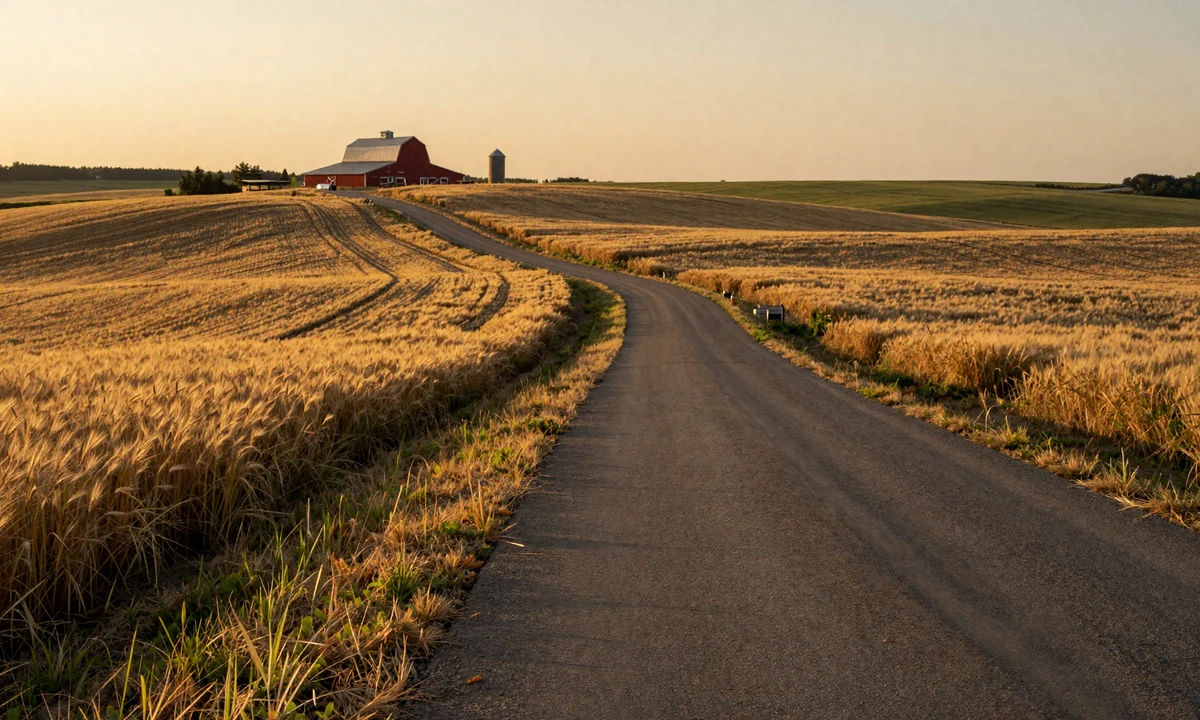
Rural America is geographically enormous and demographically thin. In parts of Montana, Nebraska, or West Virginia, the nearest single person of the right age and life stage might genuinely live in the next state. Jerry Miller - the founder of the first big farmer dating site - has been pointing this out for two decades: in North America, vast stretches of land make distance an ongoing challenge for country singles, with towns sometimes hundreds of miles apart. Compare that to Ireland, where you rarely have fifty miles between villages, and you start to see why virtual dating exploded first in rural populations, not in big cities.
Here's what that means in practice. If you're a 54-year-old cattleman in eastern Montana, your closest option may be a widow running a small horse operation four hours northwest. That isn't a problem with you or her - it's geography. Long-distance isn't an exotic version of country dating. For many farmers, it is country dating. Accepting that up front saves a lot of heartache.
Phone Calls First, Video Second, Texts Last
City-based long-distance dating usually runs on endless texting. Rural long-distance dating doesn't - and shouldn't. Gloves, tractor cabs, spotty rural LTE, and 4 a.m. alarms make text-as-primary a setup for misunderstandings. The couples who go the distance build a three-tier rhythm: voice for connection, video for trust, text for logistics only.
Phone Calls First
A nightly phone call between 7 and 9 p.m. - chores done, boots off - is the backbone of long-distance country courtship. Twenty minutes of voice beats two hundred texts. You hear tiredness, laughter, and the dogs in the background.
Video Twice a Week
Video chat on Sunday afternoons and midweek evenings does two jobs: it builds real intimacy and it verifies you're both exactly who you say you are. No video in 90 days is the single biggest red flag in long-distance country dating.
Text for Logistics
Save texting for "feed truck is stuck, call you at 8 instead" and "weather's coming Friday." Don't try to argue, flirt, or plan big things by text. It goes sideways in country country in a way it rarely does in the city.
Rhythm that actually works: A 20-minute voice call most nights, a longer Sunday video call with coffee on both ends, and texts only when a hand or a cell tower is in the way. Couples who stick to this report fewer fights and faster trust than couples who try to replace it all with FaceTime marathons.
Planning the First Cross-State Visit
The first in-person meet in long-distance country dating matters more than any first date in a city ever could. You're not deciding whether to get a second drink - you're burning a whole weekend and six hundred miles of diesel to find out if the voice on the phone belongs to the future. Plan it like you'd plan a cattle sale: on purpose.
- Video chat three times before you ever book a visit. Non-negotiable. If they won't show their face, the trip isn't happening.
- Pick a neutral small town halfway, or a clear public meet at their end. Diner, farmers market, county fair - somewhere you can sit for four hours and talk without committing to the barn tour yet.
- Book your own lodging the first trip. Local motel or a bed-and-breakfast. Even if you're sure by hour two, stay where you said you'd stay. Boundaries build trust.
- Tell two people at home your plan. Name, town, phone number, motel, and when you'll check in. Our safety tips page walks through this step by step.
- Plan 48 hours, not a week. Short first visit, honest conversation, and a clear next step - either "come visit me in six weeks" or "this isn't it, thank you." Either one is a win.
They Drove Hours for the First Date - and Got Snowed In Together
The best argument for patience in long-distance country dating is the couples where it worked. Karla was in West Virginia. William was in Kentucky. They met on a farmer dating site, talked on the phone nightly for weeks, and when William finally pointed the truck north for their first in-person meet, a surprise winter storm rolled in and stranded them together for three days straight.
We didn't plan to get snowed in. But three days on the porch feeding the woodstove, swapping stories about our kids and our cattle - that told us more about each other than a dozen dinner dates ever would have. I knew by day two he was the one.
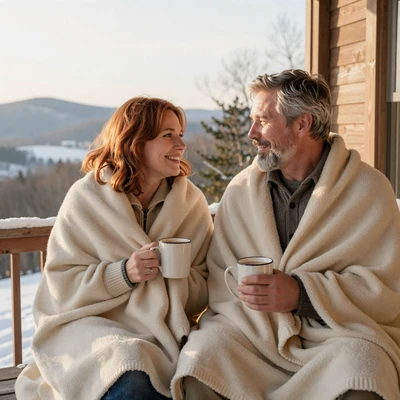
We drove five and a half hours for the first date. We drove it twice a month for a year. Then he drove it one last time with a ring in his pocket, and I quit driving. - Karla, on meeting William long-distance
Karla and William aren't outliers. Every week on farmer dating platforms, couples are logging five, six, eight-hour drives for a weekend together. The distance doesn't break country love - it proves it. If you'll drive that far for someone in winter, you'll show up for them in every other season too.
Making It Work Through Harvest and Calving Season
Long-distance is hard enough. Long-distance during harvest is another thing entirely. From mid-August through late October - or mid-February through April for spring calving - the schedule on one end of your relationship goes nearly vertical. Fourteen-hour days. Phone in the shirt pocket, ringer off because the combine's loud enough. This is where long-distance country couples either settle in or break apart.
The ones who last do three things. First, they talk about the coming crunch two weeks before it starts - no surprises. Second, they drop the nightly call expectation and replace it with a five-minute voice memo on the way from field to truck. It's not romantic, but it's real. Third, they put a visit on the calendar for the week after the last bushel is in, and they treat that visit like the Christmas it is.
What not to do: Don't take harvest silence personally. A partner who stops calling for two weeks in October because the corn came in heavy isn't losing interest. They're exhausted, covered in grain dust, and counting the hours until they can hand you the phone properly. Learn the agricultural calendar - our seasonal dating challenges guide maps it month by month - and the long-distance stretches stop feeling like abandonment.
David and Emily: Love That Outlasted a Deployment
If harvest season feels like the hardest version of long-distance country dating, consider David and Emily. They met on a farmer dating platform, fell for each other across state lines, and then David deployed overseas with the military. Most relationships don't survive that. Theirs did.
We wrote letters. Real ones, on paper. Video calls when the connection held. And every time I came home on leave, we spent it on her folks' farm, boots in the dirt, talking about what we'd build when this was all behind us. Long-distance didn't weaken it - it sharpened it.

Their story gets cited often in country-dating circles as proof that distance, even the hardest kind, is survivable when two people are deliberate about it. Deployment, harvest, a three-state gap - the specific obstacle changes. The habits that carry you through don't.
Related Country Dating Reads
If this piece spoke to where you are right now, these three will pair well with it - all written by the same editors, all grounded in real farmer-couple experience.
Country Love Success Stories
Eight real couples, golden-hour photos, and the long-distance drives that turned into marriages.
How Our Farmer Dating Works
The four-step process - register, build your profile, browse local and niche, and start a cross-state conversation.
Seasonal Dating Challenges
Month-by-month guide to farm-calendar dating - planting, harvest, calving, and the winter courting window.